Posts filed under ‘Articles’
Burning Down the House
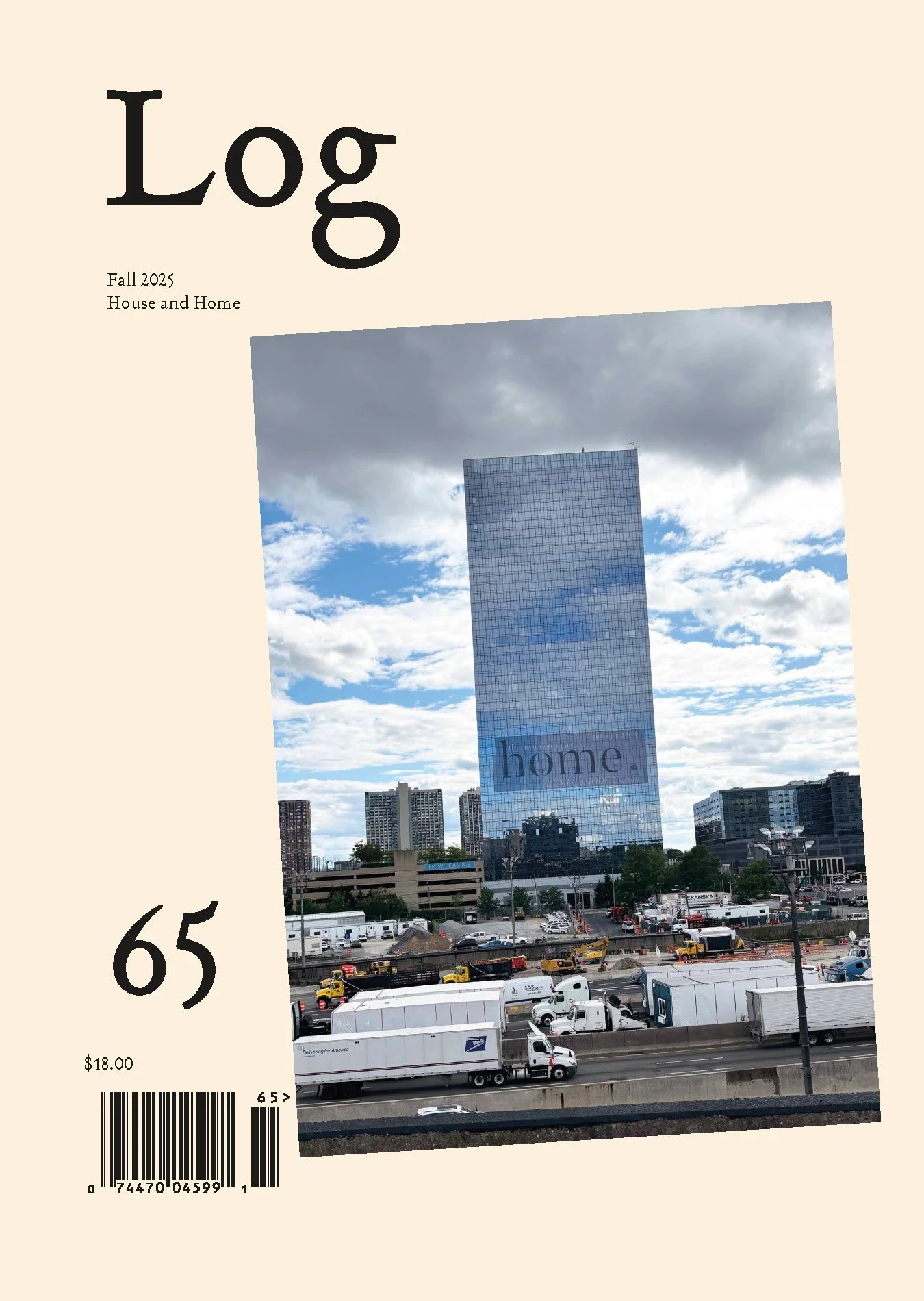
“Burning Down the House,” with Mitchell Joachim, Log 65 (2025), 79-85.
Hold tight
We’re in for nasty weather
There has got to be a way
Burning down the house.
Get Log 65 here.
General Groves Invented the Atomic Bomb

For the love of bombs, let us say farewell to Oppenheimer as the father of the atomic bomb. Instead of him, we should give the credit for inventing the bomb to the man in charge of the Manhattan Project in the first place, Brig. Gen. Leslie Groves.
“General Groves Invented the Atomic Bomb, not Oppenheimer,” Bulletin of the Atomic Scientists, July 21,2025.
Transitioning to Sustainable Cities

The unmatched influence that human societies are wielding on the natural world is a given based on changes in climate and the environment, also called the epoch of the Anthropocene. Do we need to investigate how that dominance changes the life of plants and animals in urban areas?
“Interview with Mitchell Joachim, Peder Anker and Nicholas Gervasi” in Transitioning to Sustainable Cities and Communities, Hubert Klumptner (et.al, eds.), (Basel: MDPI Books, 2024), p. 137-148. [PDF]
Views from the Outside

Climate change is a critical challenge facing our communities. Studies conducted by IPCC and other entities continue to demonstrate the enormous magnitude of this challenge and the increasing need for more effective responses at both the adaptation and mitigation levels. The complex causes of climate change and its diverse impact on our communities make this need more challenging. Making things more complicated, understanding these causes and consequences, as well as the possible solutions, requires us to look at the problem through multiple disciplinary lenses.
Peder Anker, Marty Matlock, Malkin Shoshan & Hazem Rashed-Ali, “Views from the Outside” in Technology/Architecture + Design, 8(1) (2024), 8–10. [PDF]
Design Against Extinction
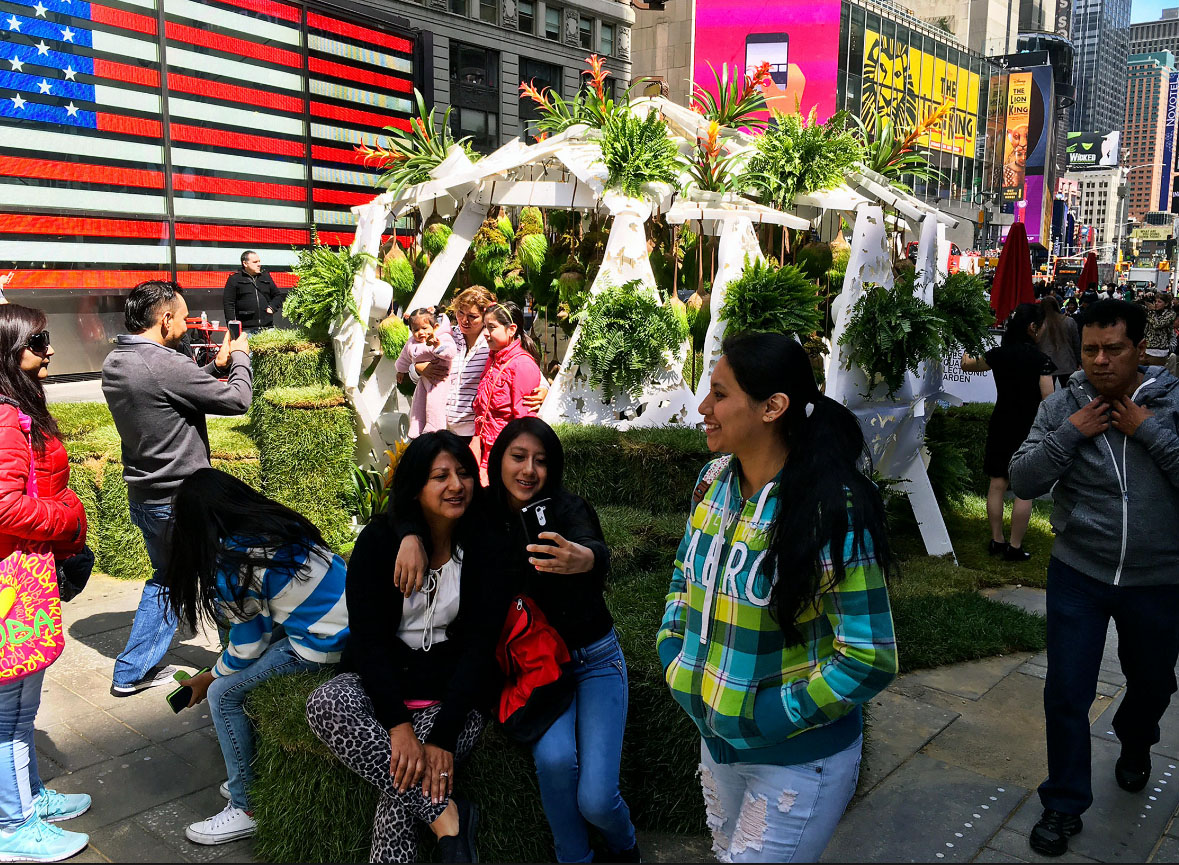
This article reviews the eco-social design work of students at the Gallatin School of Individualized Studies at New York University over the last decade. Environmental justice movements and the effects of global warming pose significant challenges to the architecture of dwellings, landscapes, and urban design communities. In response, students have placed socially and ecologically sensitive projects at the center of their design education. The justifiable moral outrage of our students has prompted us and them to rethink the methods by which we teach and imagine social environmentalism from the perspective of equity, inclusion, and the biosphere.
“Design Against Extinction at New York University,” with Mitchell Joachim, Spool, 10:1 (2023), 121-132. [PDF]
Everett Mendelsohn: The Harvard Professor
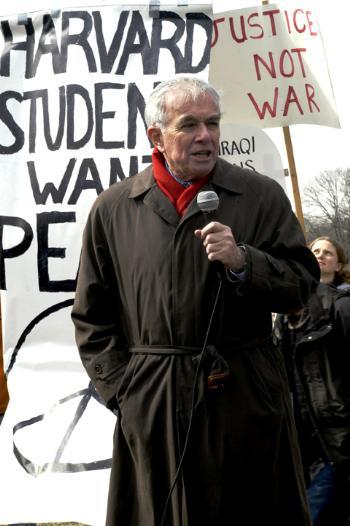
“Everett Mendelsohn: The Harvard Professor,” Journal of the History of Biology, Nov. 21, 2023, 1-5.
In memory of my adviser, colleague, and friend, Everett Mendelsohn (1931-2023).
The Trail of Nuclear Suffering

“The Trail of Nuclear Suffering,” Network in Canadian History and Environment, August 8, 2023. [PDF]
In this blogpost I introduce my article “A History of Uranium Mining in Canada,” JAm It! 8 (2023), 5-23.
A History of Uranium Mining in Canada

“A History of Uranium Mining in Canada,” JAm It! 8 (2023), 5-23. [PDF]
Abstract
The history of uranium mining on indigenous land in Canada is a story of settler colonialism, conflicts, and a clash of systems of belief. Pending whose knowledge you seek and which rationality you chose, it’s a history that entails both pessimistic and optimistic perspectives. The miners believed in a rationality of prosperity at the expense of the existing First Nation cultures. It’s a history of settler colonialism in which the process of conquest generated counterclaims of defeat. The ongoing clash between claims and counter-claims, prophecies and counter-prophecies, traditional and scientific knowledge, mark the history of Canadian mining along with the larger history of nuclear industries and weaponry. The Canadian uranium mines of the 1930s recuperated the first reactions to nuclear industries and disasters, but were also an early warning about what uranium-bearing minerals could do. That came in the form of what sounded like a mystical prophecy to Western ears, though to indigenous culture it was understood as medical advice. By untangling different rationalities for mining as well as a few early voices of resistance to it, the aim of this article is to uncover the origin and social dynamics of benefitting and suffering that came to mark a global crisis
Commemorating COVID

A worldwide event as consequential as the COVID-19 pandemic deserves to have a memorial. How can compassionate architects and designers confront our understanding of memorial design in the aftermath of the COVID-19 pandemic?
“Commemorating COVID,” with Mitchell Joachim and Paul D. Miller, in The Pandemic Effect, Braine Brownell (ed.), (Princeton: Princeton Architectural Press, 2023), 44-45.
Archiagape

Perhaps the architecture profession needs a new name? How about replacing “architecture” with “archiagape”? This is the lecture I gave at the Venice Biennale of Architecture in May 2021. Published as “Archiagape” in Ambiguous Territory: Architecture, Landscape and the Postnatural, Chris Perry (et.al.) (eds.), (Barcelona: Actar, 2022), 298-302. [PDF]


 Peder Anker