Posts filed under ‘Press’
Op-eds on the Oppenheimer film

“The stories ‘Oppenheimer’ didn’t tell” Washington Post, March 15, 2024. [PDF]
“Årets verste film” Klassekampen, March 13, 2024. [PDF]
Cool Course: Walking New York City
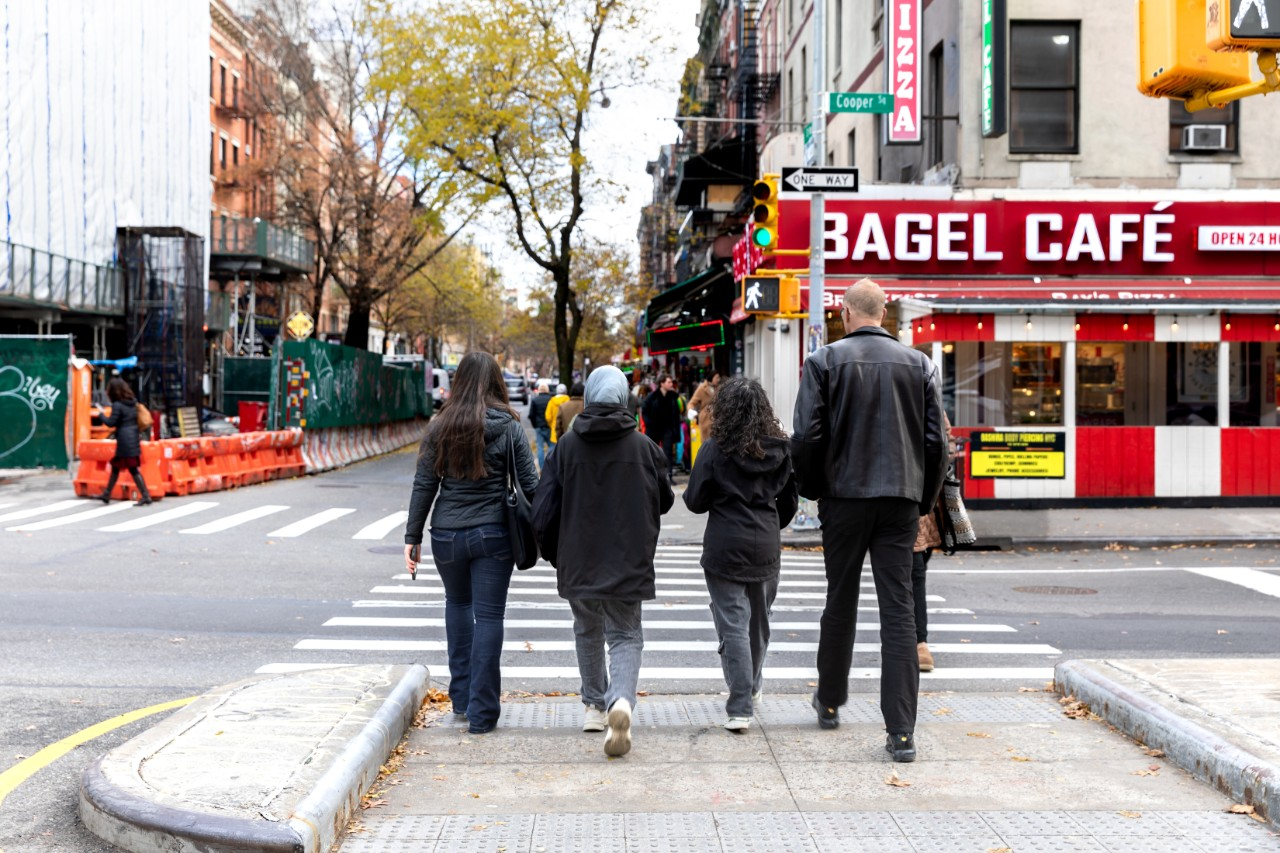
A Gallatin first-year seminar explores the meaning and history of traveling on foot. Eileen Reynolds and Tracey Friedman write about my freshmen course on walking. NYU News, December 14, 2023.
To Malta with love (but not for the cars)
“I have a simple message for my new Maltese friends: rethink your transportation policies by encouraging public transport, biking, scooters, and walking instead of cars.”
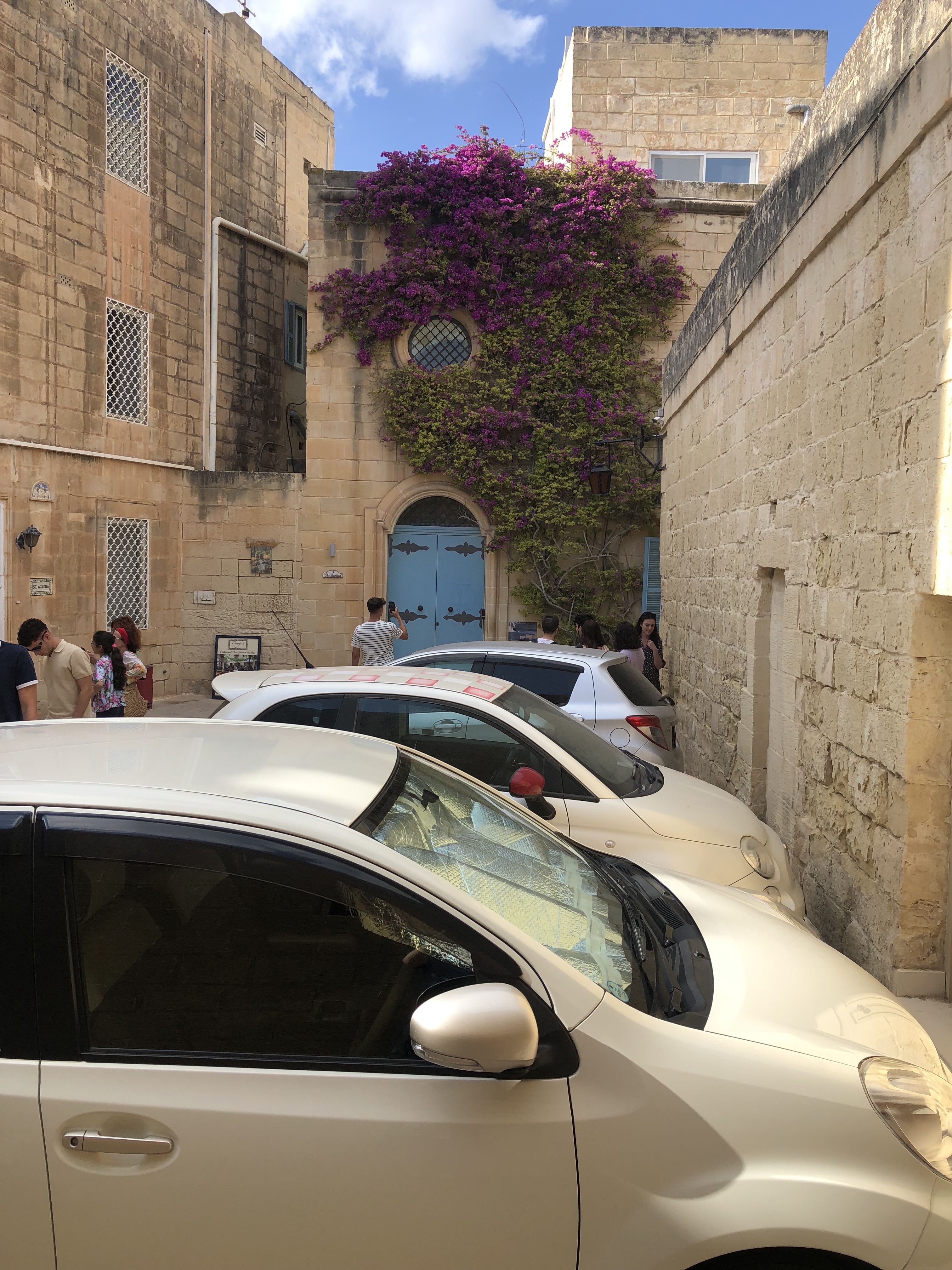
“To Malta with love (but not for the cars)“, The Times of Malta, June 20, 2023. [PDF]
The Cooper Union Promotes Russian Architecture. Why?
The School of Architecture at Cooper Union promotes Soviet architecture in the midst of the Ukrainian Village in Manhattan. I argue that they should stop doing so, and instead support the war-torn nation. My opinions are in bold.
Statements by Ukrainians on Cooper Union’s Facebook page here (1/18/23).
Read my first op-ed here (1/21/23) and the version edited by Archinect here (1/25/23).
Read Cooper Union’s statements here (1/12/23), here (1/25/23), here (2/6/23) here (2/6/23), here (2/7/23), here (4/17/24) and here (4/17/23).
The reaction from Architect’s Newspaper here (1/26/23), here (2/2/23), and here (4/17/23).
The reaction from Archinect here (1/26/23) and here (2/7/23)
The reaction from ARTnews here (1/30/23) and here (2/7/23).
The reaction from Hyperallergic here (1/31/23).
The reaction from Dezeen here (2/2/23) and here (2/7/23).
Open letter in support of the Vkhutemas exhibition in Art and Education here (2/1/23).
Statement from PEN America here (2/2/23).
The reaction from Curbed here (2/6/23).
The reaction from Artforum here (2/6/23)
The reaction from The Art Newspaper here (2/6/23).
The reaction from New York Times here (2/7/23).
The reaction from Voice of America (in Russian) here (2/8/23).
The reaction from The Eastern Herald (India) here (2/8/23).
Read my answer to criticisms in an op-ed in Kyiv Post (Ukraine) here (2/8/23).
The reaction from Klassekampen (Norway) here or [PDF] (2/10/23) here (2/14/23), here (2/18/23), with my reply here and as PDF (2/24/23).
The reaction from Document (Norway) here (2/13/23).
The London Bauhaus Designed a Socialist Utopia for Penguins

The 20th-century German design movement is often associated with tubular chairs and streamlined workspaces, but the Bauhaus was invested in the natural kingdom from the start.
“The London Bauhaus Designed a Socialist Utopia for Penguins,” interviewed by Erin Schwartz for the Garage Magazine, Feb. 5th, 2018.
Why Slow Architecture Is Quickly Catching On
Slow architecture will incorporate all the available technologies of sustainable design, such as solar cells, geothermal heat exchange systems, and energy efficient materials. Why not be good to the environment and cut down the electric bill at the same time?
Why Slow Architecture Is Quickly Catching On, The Purist, April 30, 2017.
Gallatin Faculty Stands in Solidarity with Divest
Letter to the Editor, Washington Square News, April 29, 2016
Last week we witnessed what we as educators love the most: students using their creativity and analytical thinking skills to act politically and support a cause in which they believe. NYU Divest made their case to the administration for why our university should divest from fossil fuels, and why the university should be part of a transparent decision process. Their call was in line with an overwhelming vote by the faculty senate last year and a recent letter signed by over 200 faculty members. They also asked that our new leadership should respect what our former president John Sexton had promised them in writing, namely to let the students present their case at NYU’s board meeting.
The venue they chose was both original and humorous: they staged their protest in the administration elevator in Bobst, tweeting #RiseWithUs. Instead of engaging the students in a meaningful way on issues of transparency and keeping the promise of a meeting with the board, the administration copied the students’ photo IDs, threatened them with disciplinary action (including immediate suspension) and contacted their parents.
While university disciplinary procedure might allow for immediate suspension in exceptional circumstances, this approach strikes us as heavy-handed and unnecessary. In times of conflict, our students should be treated as young adults, not as kids in need of parental supervision. Yet our point is not so much about NYU procedure, but culture. What the administration has created is an atmosphere of fear among our students where there should be safety and tolerance. We, as faculty at NYU’s Gallatin School of Individualized Study, take pride in our students’ commitment to addressing issues that are important for our university and the world.
Peder Anker, Sinan Antoon, Gianpaolo Baiocchi, Paula Chakravartty, Anne DeWitt, Valerie Forman, Andrea L Gadberry, Hannah R Gurman, Louise Harpman, Mitchell Joachim, Ritty Lukose, Amanda K Petrusich, Kim Phillips-Fein, Mark Read, Greg Vargo, Alejandro Velasco
Quoted in Washington Square News
“Faculty say NYU enables BlackRock’s greenwashing” by Ruqaiyah Zarook, Sept. 1 2021.
“What’s Happening at 181 Mercer?” by Christine Lee, Nov. 6, 2017.
“Gallatin Climate Conference Encourages Change” by Miranda Livingston, Sept. 18 2017.
“New York City Council to vote on disposable grocery bag 10-cent fee” by Carly Krakow, April 4, 2014.
“NYU to take proactive approach to emission reduction,” by Su Sie Park, April 25, 2013.
“GLOBAL Design NYU presents environmental architecture,” by Tatiana Baez, Sept. 24, 2012.
From Bauhaus to Ecohouse: A Short History of Ecological Design
“From Bauhaus to Ecohouse: A Short History of E cological Design,” in Behind the Green Door: Architecture and the Desire for Sustainability, Helle Benedicte Berg (ed.), (Oslo: Oslo Architecture Triennale, 2013), 129-139.
Order the catalogue here.
From Social Psychology to Ecology
Arthur Tansley once amazed his botanical friends by arguing that the psychologist Sigmund Freud was the most important thinker since Jesus. It was indeed remarkable statement for a man who is known for his contributions to the field of ecology. Yet Tansley was also a keen contributor to research on sex-psychology and I suggest here that some of his ecological thinking emerged from his work in social psychology.


 Peder Anker